

 By Hamad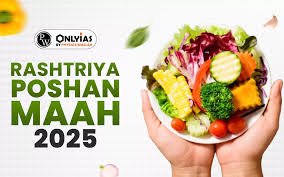
Poshan Maah (National Nutrition Month) is a flagship initiative by the Government of India, celebrated every September under the Poshan Abhiyaan (National Nutrition Mission). Its primary goal is to combat malnutrition among children, pregnant women, lactating mothers, and adolescent girls while promoting nutrition awareness across the nation. In 2025, Poshan Maah focuses on the theme “Suposhit Bharat” (Nourished India), integrating nutrition with hygiene, health, and education. This blog explores the significance, objectives, themes, activities, and ways to participate in Poshan Maah 2025, optimized for Google’s algorithm to rank well.
What is Poshan Maah? Understanding Its Importance
Poshan Maah, launched in 2018, is a nationwide campaign aimed at making India malnutrition-free. It focuses on reducing stunting, wasting, and anaemia, particularly during the first 1000 days (from pregnancy to a child’s second birthday), a critical period for nutritional development. The campaign addresses India’s pressing malnutrition challenges through community-driven efforts and awareness programs.
Why is Poshan Maah Important?
- Malnutrition Statistics: According to NFHS-5 (2019-21), 35.5% of children in India are stunted, and 19.3% suffer from wasting.
- Health and Development: Poor nutrition hampers physical and cognitive growth in children.
- Economic Impact: Malnourished children are less productive in adulthood, affecting the nation’s economy.
- Women’s Empowerment: Nutrition programs for pregnant and lactating mothers promote healthier families and gender equity.
Key Objectives of Poshan Abhiyaan
The Poshan Abhiyaan drives Poshan Maah with the following objectives:
- Reduce Malnutrition: Target a 2-3% annual reduction in stunting, wasting, and anaemia (progress updated for 2025).
- Nutrition Awareness: Promote dietary diversity and hygiene in rural and urban areas.
- First 1000 Days: Ensure optimal nutrition for pregnant women and young children.
- Technology Integration: Use tools like nutrition tracker apps and digital growth monitoring for data-driven solutions.
- Community Participation: Engage schools, Anganwadi centers, and Sehat Clubs to spread awareness.
Poshan Maah 2025: Themes and Activities
The 2025 theme for Poshan Maah is “Suposhit Bharat: A Healthy and Prosperous Future,” emphasizing nutrition, hygiene, education, and community involvement. Below are key activities planned for 2025:
Anaemia Prevention Tips
- Promote iron-rich foods like spinach, lentils, and jaggery.
- Conduct free anaemia screening camps at Anganwadi centers.
- Distribute iron and folic acid supplements for pregnant women and adolescents.
Growth Monitoring for Kids
- Use growth charts to track height, weight, and BMI in children under 5.
- Train Anganwadi workers to identify early signs of stunting or wasting.
- Educate parents on interpreting growth metrics for timely interventions.
Complementary Feeding Guidelines
- Advocate exclusive breastfeeding for the first 6 months.
- Introduce nutrient-rich complementary foods like mashed millets, fruits, and vegetables post-6 months.
- Host cooking demonstrations to teach affordable, healthy recipes.
Nutrition Gardens in Schools
- Encourage schools to set up Poshan Vatikas (nutrition gardens) to grow vegetables like spinach, carrots, and tomatoes.
- Teach students about sustainable farming and the importance of fresh produce.
Community Awareness Campaigns
- Organize Poshan Melas (nutrition fairs) to showcase local, nutrient-dense foods.
- Conduct street plays and poster-making competitions to engage youth.
- Leverage social media with hashtags like #PoshanMaah2025 and #SuposhitBharat.
Boost Nutrition with Traditional Foods
Incorporating traditional Indian foods can enhance dietary diversity, a key focus of Poshan Maah. Here’s how:
- Millets: Ragi, bajra, and jowar are rich in fiber, iron, and calcium.
- Pulses and Legumes: Affordable sources of protein like moong dal and chickpeas.
- Local Greens: Spinach, amaranth, and drumstick leaves for vitamins and minerals.
- Fermented Foods: Idli, dosa, and curd improve gut health and nutrient absorption.
Try recipes like ragi porridge for kids or mixed vegetable khichdi for families, which are cost-effective and nutritious.
Success Stories from Poshan Maah
Poshan Maah has transformed lives across India. Here are two examples:
- Kerala’s Anganwadi Initiative: In 2024, Kerala reduced stunting by 5% through community-led growth monitoring and nutrition counseling.
- Rajasthan’s Poshan Vatika: Schools in Jaipur adopted nutrition gardens, improving students’ dietary intake and awareness.
These stories showcase the campaign’s impact and inspire others to join the movement.
How You Can Contribute: Participate in Poshan Maah
Everyone can play a role in making Poshan Maah 2025 a success:
- Parents: Follow complementary feeding guidelines and monitor your child’s growth.
- Teachers: Organize nutrition workshops or poster-making competitions in schools.
- Volunteers: Join local Anganwadi centers to distribute supplements or conduct awareness drives.
- Social Media Influencers: Share tips on healthy eating with #PoshanMaah2025.
- Community Leaders: Host Poshan Melas or nutrition camps in your area.
Download the Poshan Tracker App to stay updated on local events and track your family’s nutrition goals.
Conclusion: Towards a Suposhit Bharat
Poshan Maah 2025 is more than a campaign—it’s a movement to build a healthier, stronger India. By focusing on nutrition, hygiene, and community participation, we can achieve a malnutrition-free future. Join the initiative by spreading awareness, adopting healthy eating habits, and supporting local programs. Together, let’s make Suposhit Bharat a reality!
