
 By Hamad
What the Latest CPI Data Reveals
CPI Data Inflation Is Cooling, but Household Costs Remain High
Even though the overall rate of price increases (inflation) has slowed down since its highest point in 2022, many families are still finding that the cost of living is very expensive.
Important things like housing, food, and energy are still taking a big bite out of family budgets. This is happening even though other economic signs seem to be improving.
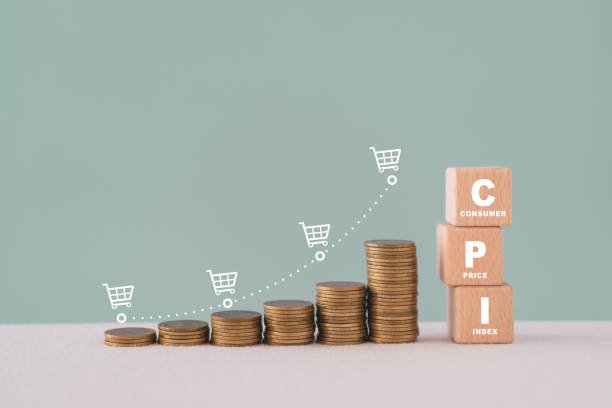
U.S. Inflation: Signs of Stability Under New Administration
Since the new U.S. government took office in February 2025, inflation has started to look more steady. The latest numbers from the Consumer Price Index (CPI), which tracks prices, show the following:
- When you take out the prices of food and energy (which can change a lot), inflation went up by 2.9% compared to the same time last year.
- This number is a little bit lower than what experts thought it would be (3%), according to FactSet.
If we look at the yearly inflation rate from February 2025 to February 2026, it’s expected to be:
- All items (everything included): around 1.7%
- Core items (without food and energy): around 2.2%
Pakistan CPI Trends: Inflation Continues to Decline
Latest CPI Figures for Pakistan
In February 2025, the rate at which prices increased in Pakistan (CPI growth) was 1.5% compared to the same month last year. This is a noticeable drop from 2.4% in January 2025.
| Country | Time Period | CPI Growth YoY (%) | Key Notes |
|---|---|---|---|
| 🇺🇸 United States | Feb 2025 – Feb 2026 | All Items: ~1.7% Core: ~2.2% | Inflation cooling under new administration. Core inflation stable despite oil prices. |
| 🇵🇰 Pakistan | February 2025 | 1.5% | Down from 2.4% in January 2025. Historic high was 38% (May 2023). |
| 🇳🇿 New Zealand | Starting Early 2027 | N/A (Monthly data begins 2027) | Monthly CPI to begin in 2027, supplementing quarterly CPI. |
Historical Context : CPI Data
Let’s look at how this compares to the past:
- The highest ever CPI growth was 38.0% in May 2023.
- The lowest ever CPI growth was -10.3% in February 1959 (meaning prices actually went down).
- On average, CPI growth from 1958 to 2025 has been 7.4% each year.
Data Sources and Methodology
The CPI information is released every month and is put together by the Pakistan Bureau of Statistics. Currently, they use the prices from 2015-2016 as a starting point (or “base year”). For older information, they make adjustments:
- Before July 2017, the numbers were based on a 2007-2008 starting point.
- Before July 2009, the information came from the International Monetary Fund (IMF).
The fact that inflation is going down in Pakistan is a good sign for the country’s economy becoming more stable, especially after the very high inflation seen in recent years.
New Zealand’s Big Move: Monthly CPI Starting 2027
In a big improvement to how it collects economic information, the statistics agency in New Zealand (Stats NZ) will start releasing CPI data every month beginning in early 2027. This is happening because they received money for it in their 2025 budget.
Stats NZ’s Preparations : CPI Data
To make sure this new system works well, Stats NZ is putting money into newer technology and methods:
- Modernizing Infrastructure
- They are building a new system called Price Indexes Environment (PIE).
- This system is designed to collect, process, and analyze price information more effectively.
- Expanding Data Sources
- They will use more information from store scanners, gather data from websites, and collect prices directly from stores.
- They are also looking into making agreements to get data and collecting information from online sources.
- Collaboration with Businesses
- They are working closely with stores and businesses.
- This helps make sure the data is accurate and reduces the need to ask businesses to fill out surveys.
Conclusion: Inflation Outlook is Cautiously Optimistic
From the U.S. to Pakistan and New Zealand, the trends in inflation for 2025 show that prices are generally not rising as fast, though the cost of things for households is still a worry. Countries are improving how they track inflation to provide better information.