

 By Hamad
The Renault Kiger has carved a niche in the competitive sub-4-meter SUV market in India, blending style, affordability, and practicality. With the 2025 facelift, it brings refreshed looks, updated features, and a value-for-money proposition that appeals to budget-conscious buyers. This blog dives into the Renault Kiger’s price, variants, features, mileage, pros and cons, and how it stacks up against rivals like the Nissan Magnite and Tata Punch. Whether you’re considering buying or just curious, here’s everything you need to know about the Renault Kiger in 2025.
Renault Kiger Price and Variants in India (Updated 2025)
The Renault Kiger 2025 facelift starts at an introductory ex-showroom price of ₹6.29 Lakh, going up to ₹11.30 Lakh for the top-end RXZ Turbo CVT variant. With nine variants, it caters to a wide range of buyers, from those seeking a budget-friendly SUV to those wanting premium features like a turbo engine and CVT transmission.
Base Model vs Top Variant: Which Renault Kiger to Buy?
-
RXE (Base Model, ₹6.29 Lakh): Offers essentials like dual airbags, LED taillights, and manual AC. Ideal for first-time buyers or those on a tight budget.
-
RXT (Mid-Tier, ₹7.5–9 Lakh): Adds a touchscreen infotainment system, reverse camera, and 16-inch steel wheels. Balances cost and features.
-
RXZ Turbo CVT (Top Variant, ₹11.30 Lakh): Includes a 100 PS turbo engine, LED headlights, three drive modes (Eco, Normal, Sport), and a wireless charger. Best for those prioritizing performance and tech.
Choosing depends on your needs: the RXT offers the best value for families, while the RXZ Turbo suits enthusiasts wanting a punchy drive. Check Renault’s official site or local dealers for festive discounts, especially around Diwali 2025.
Key Features and Specifications of the Renault Kiger Facelift
The 2025 Kiger facelift enhances its appeal with modern styling and tech upgrades, positioning it as a strong contender in the subcompact SUV segment.
Engine Performance: Turbo Power and Drive Modes Explained
The Kiger offers two petrol engines:
-
1.0L Naturally Aspirated (72 PS, 96 Nm): Paired with a 5-speed manual or AMT, it’s fuel-efficient (around 19-20 km/l) but lacks punch for highway drives.
-
1.0L Turbo Petrol (100 PS, 160 Nm): Available with a 5-speed manual or CVT, it delivers better acceleration and three drive modes (Eco, Normal, Sport) for varied driving conditions. Expect 18-22 km/l on highways.
The turbo engine is a highlight, offering a lively drive compared to rivals like the Tata Punch. However, some users note engine noise at high RPMs, which Renault has addressed with better insulation in the 2025 model.
Standout Features
-
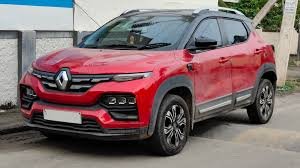
Exterior: New LED headlights, redesigned grille, and 16-inch diamond-cut alloys give it a premium look.
-
Interior: Spacious cabin with 405L boot space, 8-inch touchscreen, wireless charging, and push-button start.
-
Safety: 4-star Global NCAP rating, with standard dual airbags, hill start assist, and optional side airbags on higher trims.
-
Tech: Multi-sense driving modes, PM2.5 air filter, and cruise control enhance comfort.
These updates make the Kiger a practical choice for urban and rural buyers, though the base model misses out on some premium touches like a digital cluster.
Renault Kiger Pros and Cons Based on Real User Reviews
Based on user feedback from platforms like Team-BHP and expert reviews, here’s a balanced look at the Kiger’s strengths and weaknesses.
Pros
-
Affordable Pricing: Starts at ₹6.29 Lakh, undercutting rivals like Hyundai Venue.
-
Spacious Interior: Ample legroom and boot space, ideal for families.
-
Fuel Efficiency: 20-22 km/l on highways with the turbo engine.
-
Safety: 4-star NCAP rating, better than some competitors like Maruti Brezza.
-
Feature-Rich: Turbo variants offer premium features at a budget price.
Cons
-
Engine Noise: Naturally aspirated engine feels underpowered; turbo can be noisy at high speeds.
-
Interior Quality: Hard plastics in lower variants feel cheap compared to Tata Punch.
-
Service Network: Renault’s after-sales network is smaller than Maruti or Hyundai, leading to longer wait times in some areas.
-
AMT Lag: The automated manual transmission can feel jerky in city traffic.
Common Problems in Renault Kiger and How to Fix Them
User reviews highlight a few recurring issues:
-
Engine Heating: Some report overheating in traffic. Solution: Regular coolant checks and avoiding prolonged idling.
-
AMT Gear Shifts: Jerky shifts in AMT variants. Solution: Opt for manual or CVT if smooth shifts are a priority.
-
Infotainment Glitches: Occasional lag in the touchscreen. Solution: Update software at service centers.
Renault’s service centers have improved response times in 2025, and extended warranties (up to 5 years) add peace of mind.
Renault Kiger Mileage: City vs Highway Real-World Test
Mileage is a key factor for Indian buyers. The Kiger delivers:
-
City: 14-16 km/l (naturally aspirated), 13-15 km/l (turbo).
-
Highway: 19-20 km/l (naturally aspirated), 20-22 km/l (turbo).
These figures come from real-world tests by users and outlets like Autocar India. The turbo engine’s efficiency stands out, especially with Eco mode, making it ideal for long drives. Regular maintenance, like air filter cleaning, can optimize fuel economy.
Renault Kiger vs Competitors: Nissan Magnite, Tata Punch, and More
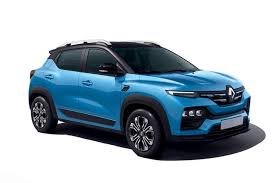
The Kiger competes in a crowded segment. Here’s how it fares against key rivals:
| Feature | Renault Kiger | Nissan Magnite | Tata Punch |
|---|---|---|---|
| Starting Price | ₹6.29 Lakh | ₹6 Lakh | ₹6.13 Lakh |
| Engine Options | 1.0L NA/Turbo | 1.0L NA/Turbo | 1.2L NA |
| Mileage (Highway) | 20-22 km/l | 19-20 km/l | 18-20 km/l |
| Safety Rating | 4-star NCAP | 4-star NCAP | 5-star NCAP |
| Boot Space | 405L | 336L | 366L |
| Key Features | LED lights, CVT, modes | CVT, wireless charger | Digital cluster, iRA |
-
Kiger vs Magnite: Both share the same platform, but Kiger offers more boot space and slightly better mileage. Magnite has a bolder design but a smaller service network.
-
Kiger vs Punch: Punch leads with a 5-star NCAP rating and better interior quality, but Kiger’s turbo engine and features give it an edge for performance seekers.
-
Kiger vs Hyundai Venue: Venue offers a diesel option and premium interiors but starts at a higher price (₹7.94 Lakh).
Safety Comparison: NCAP Ratings and Features
The Kiger’s 4-star Global NCAP rating is solid, with standard dual airbags, ABS, and EBD. Higher trims add side airbags and hill assist. Tata Punch’s 5-star rating makes it the safest, while Magnite matches Kiger’s 4-star score. For safety-conscious buyers, the Kiger’s top variants are competitive, but base models lack side airbags.
Is the Renault Kiger Worth Buying in 2025? Final Verdict
The Renault Kiger 2025 is a compelling choice for buyers seeking a stylish, feature-packed subcompact SUV under ₹10 Lakh. Its strengths—affordable pricing, spacious cabin, and turbo performance—make it ideal for families and young drivers. However, the limited service network and average interior quality in lower variants may deter some. If you prioritize value, mileage, and safety, the Kiger RXT or RXZ Turbo variants are hard to beat. For those in smaller cities, check Renault’s service reach before committing.
FAQs: Renault Kiger Maintenance Costs and Resale Value
Q: What is the maintenance cost of Renault Kiger?
A: Annual maintenance averages ₹4,000–6,000 for the petrol variants, with turbo models slightly higher due to premium fuel. Extended warranties reduce long-term costs.
Q: How is the resale value of Renault Kiger?
A: Resale value is decent (60-70% after 3 years), but lower than Maruti or Hyundai due to brand perception. Well-maintained turbo models hold value better.
Q: Is the Renault Kiger good for long drives?
A: Yes, especially the turbo variant, with 20-22 km/l on highways and comfortable seating. Ensure regular tire and coolant checks for reliability.
Q: Which Renault Kiger variant offers the best value?
A: The RXT variant (₹7.5–9 Lakh) balances features like touchscreen and safety with affordability.
