

 By Hamad
What is Nurpur Milk?
What should have been a simple turnaround turned into a protracted process that required repeated bailouts and financing to stay afloat.
After these lows, Fauji Foods appears to have turned the corner with two consecutive years of profits.
The company ended 2023 with a profit of Rs 61 crore, which improved to Rs 66 crore in 2024. This drastic change clearly shows that the company is on the road to recovery. But is that all?
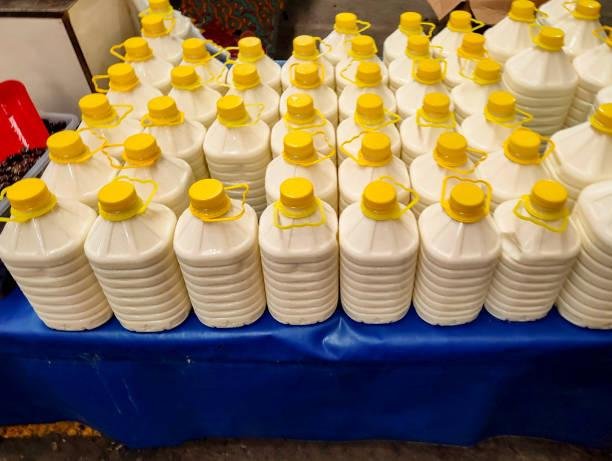
Nurpur Milk
A detailed analysis of the quarterly results shows that the profits could have been higher if the company had continued on the same path as in September 2024. A missed opportunity, a consequence of the boycott or simply luck. Whatever the reason, the figures show that the company could have performed significantly better.

Noon Pakistan to Fauji Foods
Noon Pakistan was founded in 1966 by Manzoor Hayat Noon, who developed the company under the Nurpur Pakistan brand. Throughout its history, the company has continued to expand its product portfolio and profitability by expanding its offerings to include milk, butter, cheese, cream and ghee.
Although the company’s net profit margin fluctuated between 1% and 3%, it achieved stable profits, which contributed to further growth in the company’s retained earnings. However, the situation changed in 2013, when the company reported losses of 13 crore rupees.
The company had previously been loss-making, but this time the losses continued. A period of sustained losses followed as the company tried to stabilize itself in turbulent times.
The Fauji Foundation and its problem children
Fauji Foods is part of the Fauji Foundation, a conglomerate owned by the Pakistan Army with businesses in cement, fertilizers and food.
Details about Nurpur Milk
It was managed by a civilian administration until 1953. Then control was transferred to the military in 1954, leading to the founding of the Fauji Foundation, which today constitutes the Fauji Group.
Instead of distributing the remaining amount of about 18.2 million rupees to the beneficiaries, the army invested the money in building a textile factory. The proceeds from this factory were later used to build the first 50-bed tuberculosis hospital in Rawalpindi. This marked the beginning of the Fauji Foundation’s primary mission of generating profits for veterans and Pakistani charities. Over the years, the group flourished and ran successful businesses, including in the fertilizer and cement industries.
“First, Fauji Foods had huge historical debts and secondly, its marketing also led to extremely low margins,” Ahmad explained.
And so, Fauji Foods found itself on a disastrous path of sustained losses for years.
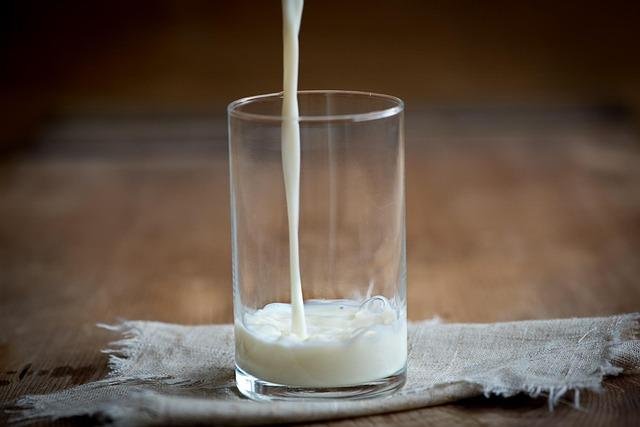
Nurpur Milk Budget
In 2020, the company’s revenue was Rs 7,373 crore, an improvement over Rs 5,745 crore in 2019 and comparable to the revenue level of around Rs 7,000 crore in 2017 and 2018.
Although the company made a positive gross profit, the increase in revenue was not enough to cover other expenses. The company’s net profit in 2020 was Rs 3,058 crore, the second-highest loss after 2019. Financial liabilities increased to a whopping Rs 9,500 crore.
Budget price of Nurpur milk in Pakistan (Imtiaz)
The financial statements showed a significant increase in selling, marketing and distribution expenses, resulting in an operating loss of Rs 708 million. This represents a drastic increase of 505% from Rs 117 million in the first half of 2021.
This raises a legitimate question: how did the company survive for almost a decade while making losses? It is no secret that Fauji Foods has consistently relied on bailouts from the Fauji Foundation and its most successful companies. Earlier this year, an IPO announced that shareholders of the Fauji Foundation would provide Fauji Foods with a loan of Rs 2.35 billion, primarily to meet working capital needs.
