
 By Hamad
The Downfall of Charlie Javice: From Tech Star to 7-Year Prison Sentence for Cheating JPMorgan
A Big Bet, A Bigger Fraud
Charlie Javice, a young woman once famous in the world of financial technology (known as fintech), has been given a prison sentence of just over seven years. She was convicted of leading a $175 million fraud against the major financial firm, JPMorgan Chase. Javice was the founder of a company called Frank, a startup that was supposed to help students with financial aid. She was found guilty of conspiracy, bank fraud, and wire fraud because she lied about how many people used her company to sell it for a huge price.
This case has drawn comparisons to other major corporate scandals, like the one involving Elizabeth Holmes and Theranos. It has also brought back serious discussions about how banks and large companies need to be much more careful—a process called due diligence—before they spend millions on buying a startup.
Who Was Charlie Javice? The Rise of a Star
Early Success and Frank’s Vision
Born in 1993, Charlie Javice was a bright student who studied at the prestigious Wharton School at the University of Pennsylvania. She quickly became a notable person in the fintech world. Her main idea was simple: make college more affordable for everyone by making the difficult application for federal student aid (called FAFSA) much easier.
In 2016, she launched her platform, Frank. Very quickly, Javice gained attention. She was recognized by Forbes on their “30 Under 30” list in 2019. She positioned herself as a champion for students, even writing online about how “college tuition is too damn high” and promising to help families find cheaper ways to pay for education.
The Claim of Millions of Users
Frank rapidly gained interest from investors and the media. By 2021, Javice claimed her company had an impressive 4 million users. She presented Frank as a booming, fast-growing tool for student financial help. However, these claims of massive growth are exactly what led to her major problems and eventual downfall.
The $175 Million Sale to JPMorgan Charlie Javice
Why JPMorgan Rushed the Deal
In September 2021, the giant bank JPMorgan Chase bought Frank for $175 million. The bank wanted Frank to help them connect with younger customers and expand their business into student financial services.
Court testimony later revealed that the bank was in a hurry. JPMorgan was afraid that a rival bank or financial firm would buy Frank first. At the time, the bank publicly celebrated the purchase as a great step forward for innovation.
The Big Lie
While the bank was celebrating, Javice was secretly running a massive scam, which prosecutors called an “audacious and multifaceted scheme.” When some of her own staff started asking questions about the real number of users, Charlie Javice reportedly hired a data scientist to create fake customer files.
In reality, Frank had fewer than 300,000 real users, not the 4 million that Javice had claimed and sold to JPMorgan. The bank finally figured out the deception when they tried to send an email to the supposed 4 million customers and almost all of the emails bounced or went undelivered. The customer list was essentially a lie.
Trial, Conviction, and Prison Time
The Court Battle
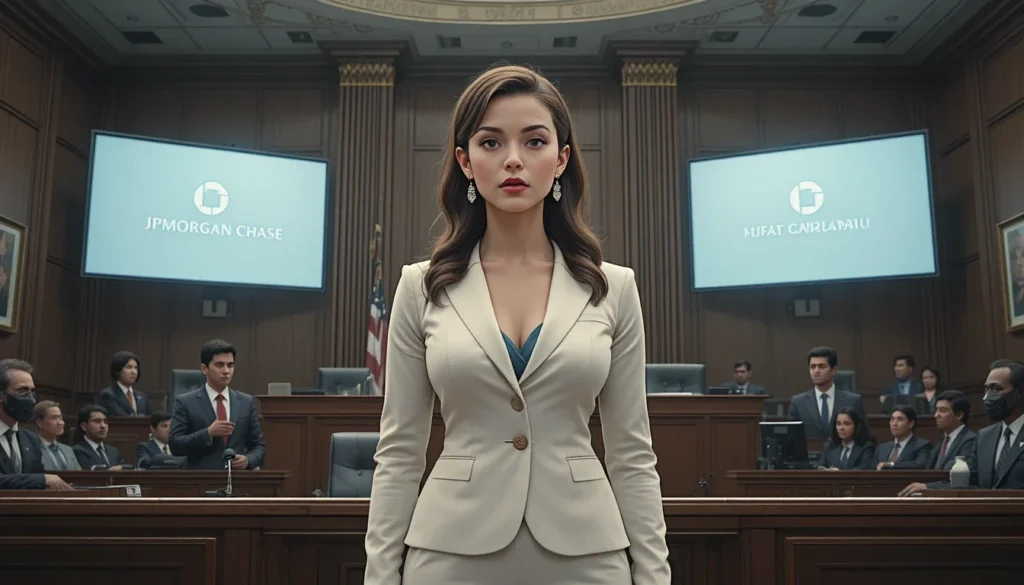
Charlie Javice was arrested in 2023 and charged with serious crimes, including bank fraud. She was allowed out on $2 million bail while waiting for her trial. In March 2025, she was found guilty by a jury in New York.
At the sentencing hearing, prosecutors argued that she should go to prison for 12 years because the fraud was so big. Ultimately, Judge Alvin K. Hellerstein sentenced Charlie Javice to 85 months, which is just over seven years in prison.
The Judge’s Clear Message
During sentencing, Judge Hellerstein made a very important point. He said that while JPMorgan definitely showed “very poor due diligence” (meaning they didn’t check things carefully enough), the entire blame rested on Javice. His words were powerful:
“I am punishing her conduct and not JPMorgan’s stupidity. Fraud remains fraud whether you outsmart someone who is very smart or someone who is a fool.”
This emphasized that even if a victim is careless, a crime is still a crime.
Charlie Javice Apology
Dressed in a formal outfit, Charlie Javice spoke to the court, expressing regret and breaking down emotionally. She apologized to her family, her investors, and the bank. She stated:
“At 28, I did something which runs against the grain of my upbringing. These errors, this complete collapse in character … not a day goes by that I do not replay my mistakes.”
Despite her apology, prosecutors stood by their belief that her actions were done on purpose, were carefully planned, and were motivated by greed for money.
The Big Picture: A Warning to Everyone
The Charlie Javice case is now a major cautionary tale for everyone involved in the startup world.
Lessons for Investors and Banks
The case shows how risky it can be for large investors and banks to focus too much on a founder’s charm or on good press coverage without thoroughly checking all the facts (due diligence). JPMorgan’s rush to buy Frank because they had a fear of missing out (often called FOMO) shows how bad judgment can happen during high-stakes deals.
Lessons for Entrepreneurs
For young entrepreneurs, the case sends a strong message: honesty and ethical behavior are essential. The consequences of committing fraud, including a long prison sentence, far outweigh any amount of money you might gain quickly. Building trust is the only way to have long-term success.
What’s Next
Although she has been sentenced to more than seven years, Charlie Charlie Javice is currently free on bail while her lawyers prepare an appeal to a higher court. She is also still fighting other legal battles related to the Frank sale. Her story has gone from being one of a bright, rising star to one of the most important startup fraud cases in recent memory.