
 By Hamad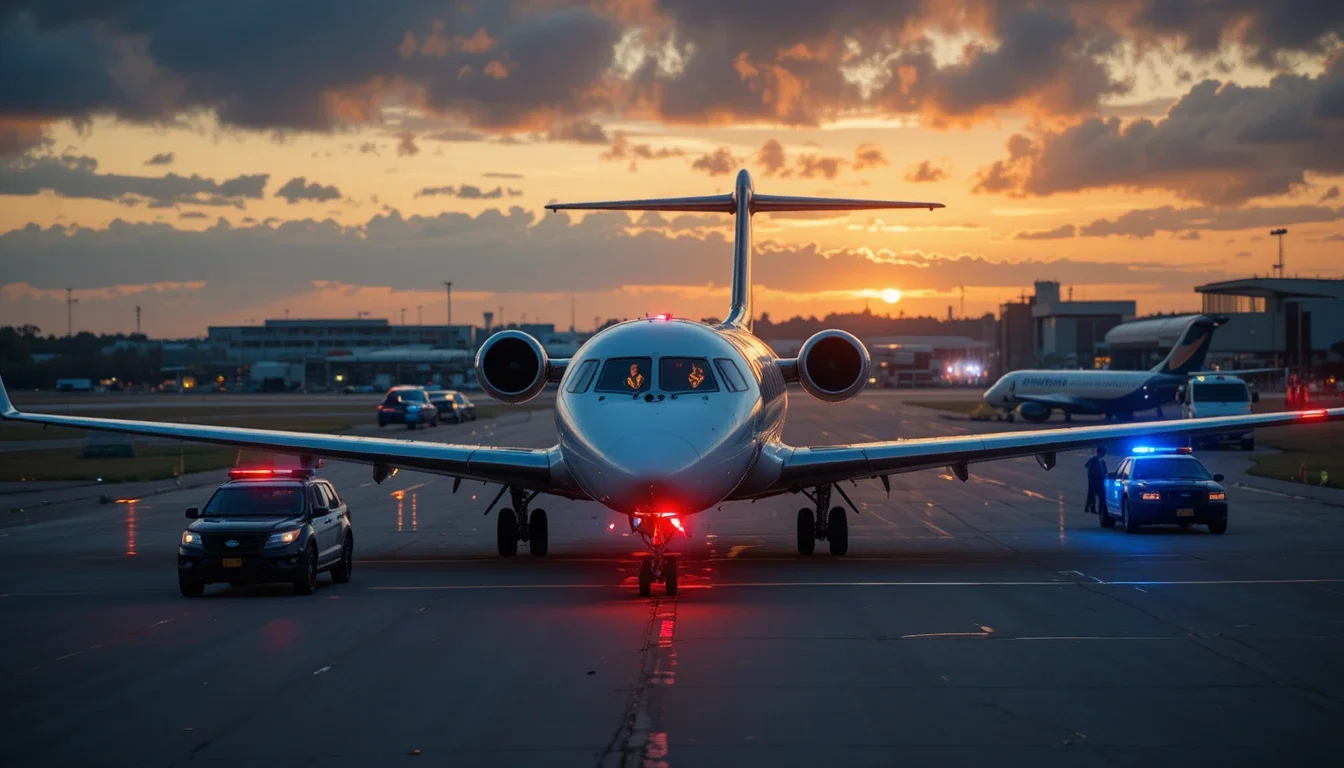
Why SkyWest Flight 6469 Made an Emergency Landing: A Simple Mistake
The Flight 6469 Emergency Landing from Omaha to Los Angeles turned into a scary event shortly after takeoff. What seemed like a possible hijacking was actually a simple, but serious, communication problem.
The plane, which flies for American Airlines’ regional network, took off from Omaha’s Eppley Airfield at 6:41 PM. But only 18 minutes into the trip, the pilots made a sudden, sharp U-turn and rushed the plane back to the airport.
The Breakdown of Communication
The whole problem started when the aircraft’s internal phone system, called the interphone, failed. This system is how the pilots in the cockpit talk to the flight attendants in the main cabin.
- Silence in the Cockpit: The pilots suddenly found they could not reach the flight attendants. This is a very serious situation in the air.
- The Crew’s Action: The flight attendants, unable to talk to the pilots through the broken phone, needed to alert them about the failure. As a last resort, they began to knock loudly on the cockpit door to get the pilots’ attention.
A Mistake Led to Panic
To the pilots, hearing loud banging on their secured door, combined with the silence on the intercom, seemed like an extreme danger. They thought someone was trying to break into the cockpit, which is a sign of a hijacking attempt.
- Fear of a Breach: Because of strict safety rules put in place after 9/11, the pilots had to treat the knocking as a real threat. They could not risk continuing the flight under such dangerous and confusing circumstances.
- Emergency Declared: The Captain immediately declared an emergency and made the decision to return the plane to Omaha.
The Emergency Landing and The Truth
The plane, an Embraer ERJ-175, landed safely at 7:45 PM. Police and security teams were waiting, ready for a major security event.
- No Hijacking: Once officers boarded and checked the plane, the truth became clear: there was no criminal threat. The loud banging was simply the flight crew trying to talk to the pilots.
- Technical Failure Confirmed: The Federal Aviation Administration (FAA) later confirmed that the whole incident was caused by a malfunction in the interphone system. It was a technical glitch, not a security threat. The confusion was caused because the crew’s attempt to signal the pilots was mistaken for an attempted forced entry.
What Passengers Felt
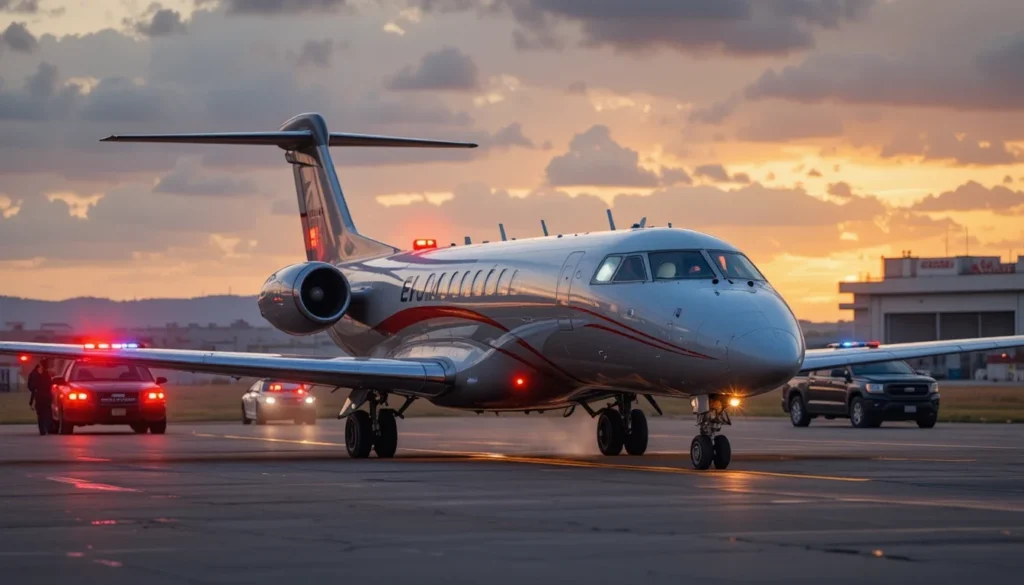
Passengers on board were terrified by the sudden U-turn and the silence from the crew. They saw the worried faces of the flight attendants. When the plane landed and police arrived, the fear was high.
After the situation was cleared, the Captain apologized to everyone, explaining the communication failure and the reason for the emergency return. The relief among the travelers was huge once they knew they were safe and the problem was not a hijacking.
The Lesson Learned
Aviation experts quickly pointed out that this event is a strong reminder of how important backup systems are. A small, broken piece of equipment—the interphone—created an in-flight crisis because it cut off communication.
- The pilots followed the right safety steps by returning to the ground immediately when they felt a threat.
- However, the incident shows that airlines need to make sure there are better ways for pilots and cabin crew to talk when the main systems fail.
After a full inspection and repair of the broken phone, the flight was finally allowed to take off again later that evening and safely reached Los Angeles. SkyWest Airlines apologized to all the passengers for the scary experience and confirmed their promise to keep all flights safe and reliable. The whole event was a perfect example of how a simple mistake can lead to a major emergency in the highly secure world of air travel.