
 By Hamad
The Exciting World of Hot Peppers: Taste, Culture, and Fun
When we hear “hot and spicy,” we often think of bold, exciting flavors.Hot and Pepper.
It could be really hot peppers that spice up your food, or something vibrant and energetic in life. Either way, hot peppers play an important role in cooking, language, and even our health.
- Where hot peppers come from and what varieties there are
- How they’re used in food around the world
- Their health benefits
- How they’re used in magic and art
- Their role in different cultures
- A brief history of hot peppers
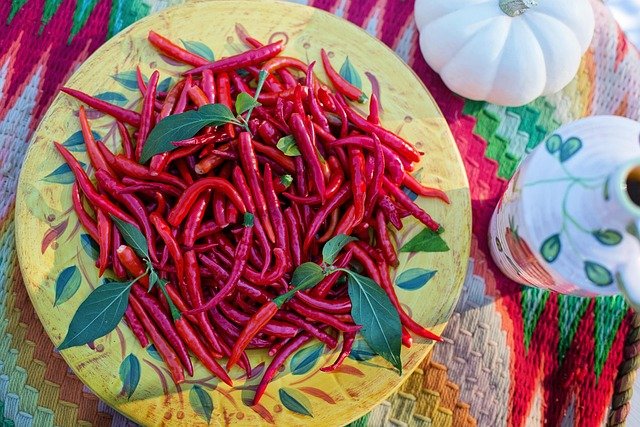
Hot peppers, also known as chili peppers, originated in the Americas.
They were cultivated in Mexico as early as 6,000 years ago! Ancient cultures like the Mayans and Aztecs used them for cooking, ceremonies, and medicine.
When Christopher Columbus arrived in the Americas in 1492, he thought chili peppers were similar to the black pepper popular in Europe, so he called them “peppers.”
The name stuck. Spanish and Portuguese traders soon spread chili peppers around the world, and they quickly became an important ingredient in the cuisines of Asia, Africa, and Europe.
Different Types of Hot Peppers : Hot and Pepper
Chili peppers come in many shapes, sizes, and degrees of spiciness. This number indicates how much capsaicin (the substance that makes peppers hot) they contain. Here are some popular varieties, from not at all hot to super hot:
- Pepper – 0 SHU (not hot at all)
- Jalapeño – Mild (2,500 to 8,000 SHU)
- Serrano – Medium (10,000 to 23,000 SHU)
- Cayenne – Fairly hot (30,000 to 50,000 SHU)
- Thai chili – Very hot (50,000 to 100,000 SHU)
- Habanero – Extremely hot (100,000 to 350,000 SHU)
- Bhutan chili – Super hot (over 1,000,000 SHU)
- Carolina Reaper – One of the hottest peppers in the world (up to 2.2 million SHU)
Each pepper has its own unique flavor, not just hot. For example, habaneros can have a slightly fruity flavor, while cayenne pepper is a hot spice often used as a powder.
How Hot Peppers Are Used in Dishes Around the World
Hot peppers are an essential ingredient in many dishes around the world. They add a better, more intense, and more exciting flavor to dishes. Hot and Pepper.
Mexico and Central America: Peppers are extremely important here! Peppers are also pickled or smoked (like chipotle).
India: In India, chilies are used in almost every dish, from spicy curries to smoky kebabs. Deep-fried chilies, called mirchi bhaji, are a popular snack.
Thailand: Thai food is known for its combination of hot, sweet, sour, and salty flavors. Dishes like Tom Yum Goong (a spicy soup) and green curry use very hot Thai chilies.
Korea: Gochugaru (red pepper flakes) and gochujang (a spicy paste) are often used in Korean cuisine. These are key ingredients in popular dishes like kimchi and bibimbap.
Ethiopia: Ethiopian cuisine uses a special spice blend called berbere, which consists of hot chili peppers, garlic, and ginger.
United States: Hot sauces and chili peppers are popular in the South and Southwest of the United States. Think spicy chicken wings and chili con carne. Extremely spicy dishes are also very popular!
Good for your health!
In addition to their delicious taste, hot peppers offer several health benefits:
Pain relief: Capsaicin, which is found in peppers, can relieve pain. It is used in creams for conditions like arthritis.
Speeds up metabolism: Spicy foods can temporarily increase fat burning.
Good for the heart: Capsaicin can help lower bad cholesterol and reduce swelling, which is good for the heart. Packed with antioxidants:
Chili peppers contain vitamins A and C, which help protect the body’s cells.
Aids digestion: Eating chili peppers may aid digestion by stimulating the production of gastric juices. May fight cancer:
Some research suggests that capsaicin may inhibit the growth of certain cancer cells, but more research is needed.
Why Peppers Feel Hot : Hot and Pepper
When you eat a chili pepper, the heat isn’t a taste; it’s a chemical reaction. Capsaicin tricks your mouth into thinking it’s burning.
Your body then releases feel-good chemicals like endorphins and dopamine. This is why some people get “addicted” to spicy food – it gives a natural high!
Interestingly, birds don’t feel the heat from capsaicin, so they can eat the peppers and spread the seeds without pain. Mammals, however, do feel the burn – this might be nature’s way of protecting the seeds.
“Hot and pepper” in language and their meaning
The words “hot and pepper” don’t just represent food; they also describe excitement, drama, and energy.
Common sayings:
“Spice things up” – “Hot” – someone who gets angry easily.
“Sharp personality” – bold and perhaps a little daring.
“Pepper mood” – to feel irritated or sharp. : Hot and Pepper
“Hot topics” – something that everyone is talking or arguing about.
These sayings show how much the idea of hot and pepper is part of our everyday language.
In books and art
Authors often use words like fire, spice, or pepper to describe strong emotions like passion or danger. In art and film, red chili peppers can symbolize things like desire, rebellion, or risk.
The cultural side of spices
Chili peppers are seen as both good and bad in different cultures. Some believe that they can ward off evil, bring good luck, or cleanse bad energy. For example:
In India, people hang strings of chili peppers and lemons on doors to ward off bad energy.
In Mexico, chili peppers are associated with strength.
In Italy, red chili peppers are worn as talismans to protect against the “evil eye”.
Eating very spicy food is also a big trend online. These spicy food challenges show how fascinated and scared people are of extreme heat and how much we love to test our limits! Click for more :