

 By Hamad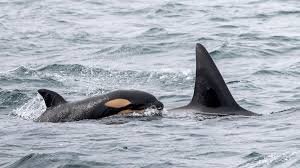
Orcas, scientifically known as Orcinus orca, are one of the ocean’s most captivating marine mammals. Often called killer whales, these black and white patterned cetaceans are apex predators that roam the world’s oceans with unmatched intelligence and social prowess. But what is an orca killer whale exactly? In this comprehensive guide, we’ll dive deep into orca facts, explore where do orcas live, uncover what do orcas eat, and discuss critical orca conservation efforts in 2025. Whether you’re a wildlife enthusiast, a parent searching for orca facts for kids, or someone curious about are orcas dangerous to humans, this post has you covered. Let’s embark on this oceanic adventure!
What is an Orca? Understanding the Killer Whale Basics
At its core, an orca is the largest member of the dolphin family, not a true whale despite the nickname “killer whale.” This marine mammal combines the grace of dolphins with the power of whales, making it a unique cetacean. Orcas have evolved over millions of years as intelligent hunters, using echolocation to navigate vast ocean habitats.
Physical Characteristics of Orcas
Orcas boast striking physical traits that set them apart in the animal kingdom. Their iconic black and white pattern serves as camouflage in the water—white undersides blend with the bright surface from below, while the black backs merge with the dark depths from above. Adult males can grow up to 32 feet (10 meters) long and weigh over 10 tons, featuring a tall dorsal fin that reaches 6 feet (1.8 meters) high. Females are slightly smaller, with more curved fins.
One fascinating orca fact: The dorsal fin collapse causes in males is often linked to captivity stress, not a natural occurrence. In the wild, these fins stand tall, symbolizing the orca’s robust health. Orcas also have a blowhole for breathing, sharp teeth for gripping prey, and powerful tails that propel them at speeds up to 35 mph (56 km/h).
Where Do Orcas Live? Exploring Their Ocean Habitat
Orcas are truly global wanderers, inhabiting every ocean from the icy Arctic to the warm tropics. But where do orcas live most abundantly? Their preferred coastal regions include the Pacific Northwest, Antarctic waters, and the North Atlantic, where nutrient-rich upwellings support thriving food chains.
Migratory Patterns and Regional Variations
Orcas aren’t tied to one spot; their migratory patterns follow seasonal prey like salmon runs. Resident orcas stick to specific areas, such as the Salish Sea off Washington state, feeding primarily on fish. Transient orcas, on the other hand, are more nomadic, hunting marine mammals in open waters. In 2025, climate change is altering these patterns, pushing some pods toward new territories due to shifting ocean currents and warmer waters.
Fun fact for kids: Imagine an orca pod zipping through fjords—it’s like a family road trip across the sea! These ocean habitats face growing threats from pollution, but orcas’ adaptability keeps them resilient.
What Do Orcas Eat? Diet and Hunting Techniques
A common question is, what do orcas eat? As apex predators, orcas have a varied diet depending on their ecotype. Resident pods devour fish like salmon and herring, while transients specialize in seals, sea lions, and even sharks. Offshore orcas munch on sharks and rays, showcasing their role in balancing the food chain.
How Orcas Hunt in Pods: Strategies and Intelligence
Orcas’ hunting strategies are a testament to their smarts—often compared to human-level problem-solving. How orcas hunt in groups is mesmerizing: Pods use cooperative tactics like creating waves to knock seals off ice floes or herding fish into tight “bait balls.” Echolocation plays a key role, with vocalizations coordinating attacks.
One jaw-dropping example: In Antarctica, orcas beach themselves briefly to snatch sea lions, then roll back into the surf. Their intelligence rivals dolphins, with orca pod social structure emphasizing teamwork. Do orcas eat sharks? Absolutely— they’ve been filmed dismantling great whites with precision, flipping them to induce tonic immobility.
Orca Social Structure: Life in the Pod
The orca pod social structure is one of nature’s wonders—a matrilineal society where females lead lifelong family groups. Pods range from 5 to 50 members, with calves staying with their mothers for life. This tight-knit bond fosters vocalizations unique to each pod, like dialects that strengthen group identity.
Family Bonds and Communication
Play behavior is rampant in pods, from breaching to spyhopping (poking heads above water to scout). Orcas communicate via clicks, whistles, and pulsed calls, passing knowledge across generations. Orca facts for kids highlight this: Baby orcas learn hunting by observing elders, much like kids mimicking parents. This social life underscores why captivity disrupts their well-being—wild pods travel 100 miles daily, far from tank confines.
Are Orcas Dangerous to Humans? Myths vs. Facts
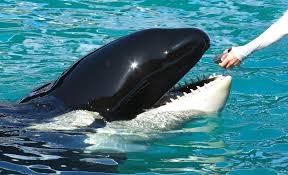
A top search query is, are orcas dangerous to humans? In the wild, the answer is a resounding no. There are zero recorded fatalities from wild orcas attacking humans— they’re curious but non-aggressive toward us. Incidents in captivity, like those involving Tilikum at SeaWorld, stem from stress and unnatural environments, not inherent aggression.
Myths persist from their “killer” name, derived from Spanish whalers who saw them preying on other whales. In reality, orcas are gentle giants with us, often approaching boats playfully. Why do orcas have tall dorsal fins? It’s for stability during high-speed chases, not intimidation.
Famous Orcas: From Wild Pods to Captivity Stories
Famous orcas in captivity have shaped public perception, for better or worse. Keiko, star of Free Willy, was released back to the wild in 2002, highlighting rehabilitation challenges. Tilikum’s story fueled the Blackfish documentary, sparking global backlash against marine parks.
In the wild, pods like the J-pod in the Pacific Northwest are celebrities, tracked by researchers for their salmon feasts. These tales blend awe with ethics, urging us to appreciate orcas in their natural ocean habitat.
Orca Conservation: Threats and Efforts in 2025
Orca conservation efforts in 2025 are more urgent than ever, as these endangered species face mounting pressures. Southern Resident orcas, down to about 70 individuals, teeter on the brink due to dwindling salmon stocks.
Major Threats Facing Orcas Today
Key dangers include PCB toxins from pollution, which bioaccumulate in blubber and harm reproduction; ship strikes in busy coastal regions; and overfishing that starves pods. Orca dorsal fin collapse causes tie into toxin loads, while noise from vessels disrupts echolocation. Climate change effects on orcas exacerbate this—warmer waters reduce prey, forcing longer hunts.
How long do orcas live? Females up to 90 years, males 50—but threats are shortening lifespans.
How You Can Help Protect Orcas
Simple actions matter: Support sustainable seafood, reduce plastic use to curb pollution impact, and advocate for quieter shipping lanes. Whale watching ethics demand distance—stay 200 yards away to avoid stress. Join efforts like the Orca Network for sightings reports, contributing to 2025 monitoring.
Fun Orca Facts for Kids and Enthusiasts
Searching for orca facts for kids? Here are bite-sized gems:
- Orcas are the fastest swimmers in their family, clocking 35 mph—like a cheetah in water!
- Baby orca birth videos show calves emerging tail-first, greeted by joyful pod leaps.
- Do orcas attack humans in the wild? Nope—they’re more likely to photobomb your snorkel!
- Orcas vs. great white shark: Orcas win with clever flips, turning predators into prey.
These nuggets make learning fun, sparking young conservationists.
Orca vs. Other Whales: Comparisons and Differences
How does an orca compare to other whales? Unlike baleen whales that filter-feed, orcas are toothed hunters. Orca intelligence compared to dolphins is neck-and-neck—both use tools and teach skills. Versus humpbacks, orcas are sleeker and more social, with pods rivaling elephant herds in complexity.
In the food chain, orcas top the pyramid as the ocean’s ultimate multitool.
FAQ: Quick Answers to Common Orca Questions
What is the scientific name for orca? Orcinus orca—Latin for “realm of Orcus,” the underworld god, nodding to their fierce reputation.
How fast can an orca swim? Up to 35 mph (56 km/h) in bursts, perfect for chasing prey.
Do orcas eat sharks? Yes! Pods target livers for nutrients, using group tactics.
Why do orcas have tall dorsal fins? For hydrodynamic stability during turns and hunts.
How long do orcas live? Females: 50-90 years; males: 30-50 years in the wild.
